20 Important Questions To To Ask About CBD Lower Cholesterol Before You Purchase CBD Lower Cholesterol


How Does CBD Lower Cholesterol?
High cholesterol is one of the major risk factors for heart attack and stroke. CBD can lower blood pressure and relax arteries, as well as promote cardiovascular health.
CBD may interact with certain drugs, including ones that are broken down by liver enzymes. Consult your physician before taking CBD if you take these drugs.
Lowering Blood Pressure
CBD's vascular relaxing properties can help lower your blood pressure. CBD can relax arterial walls that are found throughout your body and reduce the amount of effort required to pump blood. This could lower cholesterol levels, blood pressure, and reduce plaque buildups along the arterial walls.
Another way CBD can benefit your cardiovascular health is through reducing the levels of cortisol in your blood. The high levels of cortisol can cause blood vessels to tighten, which raises your cholesterol and blood pressure. This is because when blood vessels become tighter, the blood can't flow efficiently and creates pressure on the walls. CBD's vasodilating effects lower blood pressure and relax the arterial walls, which can lower cholesterol levels and blood sugar levels.
CBD also has anti-anxiety and anti-stress properties. Stress can lead to elevated cholesterol and blood-pressure because it creates an imbalance in antioxidants and free radicals. CBD can help in balancing this imbalance by reducing inflammation and reducing the stress of oxidative.
CBD can also boost the production of your natural neuroendocrine catestatin. Catestatin is a natural antagonist of the sympathetic nervous system which could be a major cause of hypertension. In a research study, scientists found that CBD can increase catestatin levels and inhibit the stress response in rodents. This was accomplished by blocking the activation GPR18 in the rostral ventrolateral part of the medulla (RVLM).
CBD when combined with physical activity and diet, can be an effective natural treatment for hypertension. But, it's essential to consult with a physician before you start taking CBD. This is due to the fact that CBD can interact with certain medications, including statins, a common medication used to lower cholesterol. In some instances it can cause dangerous side effects. It is also recommended to avoid mixing CBD and any drugs that are metabolized by the CYP450 pathway, as this may cause an increase in blood concentrations of these drugs. This can lead to life-threatening effects.
Reduces Inflammation
CBD is an anti-inflammatory. It can reduce chronic low-grade inflammation that can become a silent killer, and contribute to cancer, cardiovascular disease, and type 2 diabetes. By blocking certain receptors and by interfering with others, it can reduce the release of proinflammatory chemicals that could cause damage to cells and tissues (Chesney et al. 2020).
In addition, CBD is a natural vasodilator, which causes blood vessels to expand and increase the flow of oxygenated blood. This is an important element in reducing cholesterol levels because cholesterol levels that are elevated can cause the accumulation of plaque that restricts blood flow to heart cells and other organs (Chesney et al. 2015).
When combined with other cholesterol-lowering medications, CBD can aid in the prevention of the breakdown of statins within the body. This is accomplished by blocking the enzymes that break down statins in the liver and allowing the drug to remain in the body for a longer time. This lowers the risk of side effects, like muscular pain, indigestion sleep issues and fatigue (Chesney et al. 2016).
CBD can also help lower cholesterol by promoting a better balance of white and brown fat tissues. The CB1 and CB2 CB1 receptors have been found to trigger brown fat tissue (BAT) conversion. This can be beneficial to the metabolism of sugar and insulin sensitivity, encourage the breakdown of triglycerides and ultimately lower cholesterol, while also stopping the buildup of arterial plaque (Chesney and co. 2018).
CBD is also known to improve cholesterol levels by promoting healthy weight. This could lower the overall levels of LDL and triglycerides within the body. A study conducted on mice found that when CBD was given to obese mice, their HDL cholesterol increased by 55%, and their total cholesterol and triglyceride levels fell by 25%..
When choosing the best CBD product, it is essential to select a premium capsule or oil that's produced in the United States with ingredients grown and processed in accordance with the FDA's guidelines for nutritional supplements or pharmaceutical drugs. You should look for a certificate of analysis that proves that each batch has been tested using validated standardized methods and is free of heavy metals, pesticides, mycotoxins, solvents, and other contaminants. You should also select one that is able to be swallowed or applied topically, instead of inhaled through an inhalation device like a vaporizing pen, or another device that could expose you to harmful chemical byproducts and residues.
Increases Blood Flow
CBD acts as a vasodilator. This means it opens up blood vessels and increases blood flow. CBD can ease the strain on your heart, allowing it to work more efficiently. This may lower cholesterol levels. This is because your body will then stop using the energy used in pumping the blood and focus on breaking down cholesterol instead.
This is the reason CBD oil is ideal for those who have high blood pressure or suffer from cardiovascular diseases like stroke, as it may reduce blood pressure and heart rate. CBD oil can also help your body eliminate excess cholesterin and reduce the accumulation of plaque on your arterial walls.
Another way that CBD can help lower cholesterol levels is by increasing HDL levels. Many people believe that lowering LDL is the only way to prevent heart disease, research has revealed that HDL levels can be just as important or even more important. CBD can increase the amount of HDL cholesterol in your body by impacting specific brain receptors. Hector Lopez led a study which found CBD increased the production of GIP (gastric inhibity polypeptide) which could increase the sensitivity to insulin.
Studies of the cardiovascular system have shown that CBD has a vasodilatory effect in isolated human and rat arterial arteries, which allows blood to flow more easily. It can also reduce blood-brain barrier permeability (BBB) which is a concern with diabetes and various metabolic diseases. In addition, CBD can protect against cardiac ischaemia-reperfusion damage in a mouse model of heart failure and improve recovery after stroke, mainly by maintaining cerebral blood flow.
In an investigation of patients suffering from mild to moderate hypertension, CBD significantly decreased blood pressure in a dose-dependent manner. It also improved vascular stiffness and elasticity and also reduced the time it took for blood to reach the brain. It is vital to remember that those suffering from hypertension should not take any supplements without first consulting their physician. Before using any CBD products, people who are taking blood pressure medication should consult their doctor.
Cuts Stress Excessively
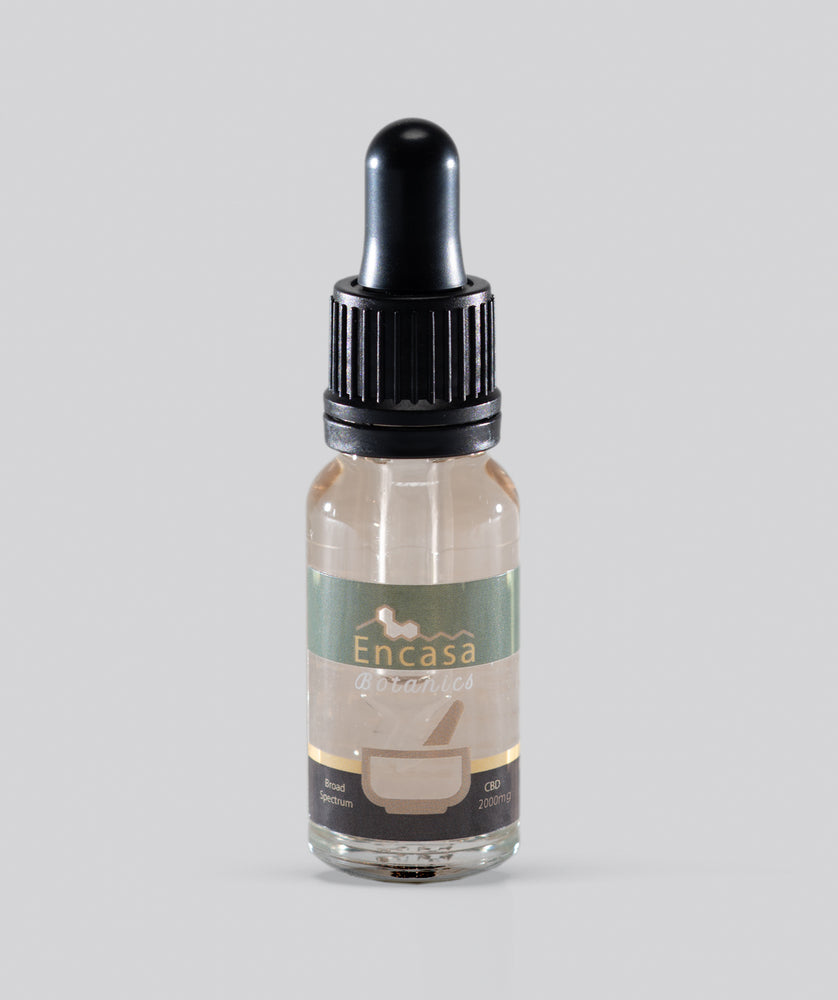
CBD's unique ability to interact with the Endocannabinoid System (ECS) means it can interact with the body in a variety of ways, such as maintaining a healthy metabolism and the reduction of stress. It is also believed to reduce the risk of having ischemic strokes that are caused by the formation of a blood clot, which blocks the flow of blood through an artery. CBD has been shown to function as a vasodilator, which assists in stimulating blood flow.
Stress is a major contributor to high cholesterol levels because it causes the formation of plaques containing fatty substances in the blood vessels, which can result in the hardening and narrowing of the vessel walls. This condition is called atherosclerosis, and it can be dangerous for people with high cholesterol.
It's not clear whether CBD has the same effect on lowering cholesterol that statines have, but it could have an impact by encouraging the production of good HDL cholesterol that helps to remove bad cholesterol from the arteries and back to the liver. CBD is also thought to have anti-inflammatory properties and reduce the levels of triglycerides.
Another way that CBD can help reduce cholesterol is through its role as a natural stress reliever and sleep aid. CBD is known to promote deep sleep, restful sleep and to calm the nervous system. This is a great benefit for those who suffer from anxiety, as high levels of anxiety hormones can lead to sleeplessness and poor quality sleep.
It is essential to talk to your doctor before taking CBD to lower your cholesterol. They will be able to give you the appropriate doses of CBD and how it can affect other medications you're taking. cbd and cholesterol may recommend CBD products that are available in oils, capsules, or tinctures.
Some people prefer to apply a topical CBD-based cream, such as cream or salve, directly on the skin area. This allows CBD to be absorbed into the bloodstream through the skin, however it's not possible to know how much CBD actually gets into the skin. A lot of CBD products that are advertised as pain relief products contain other ingredients that can make it difficult for the consumer to assess the effectiveness of the product.